What goes wrong
in Redbank Plains.
This site is run from Redbank Plains, one of the largest suburbs in the city. The older streets around Redbank Plains Road and Kruger Parade were built out in the 1970s and 1980s. Estates such as Edens Crossing have added thousands of newer homes on the southern and eastern edges.
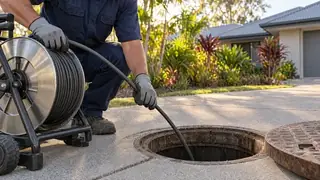
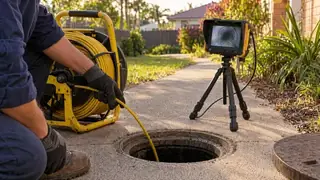
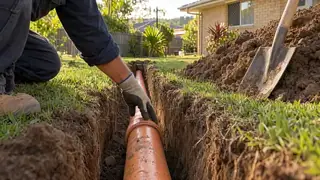
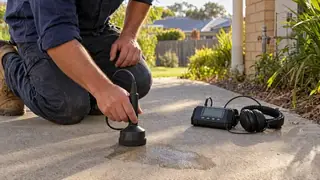
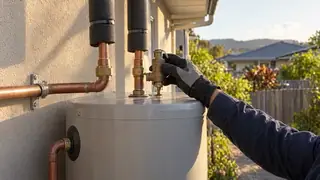
Redbank Plains was built while plumbing materials were changing, so one house can have clay drains at the front and PVC at the back. Blockages usually trace to one ageing section or the junction between the two. Original hot water systems, taps and drains across the suburb are wearing out at roughly the same time.
The housing and its pipes
1970s and 1980s brick and chamferboard homes on larger blocks, and slab-on-ground homes from the last fifteen years on compact lots.
85% of occupied homes in Redbank Plains are separate houses, and 15% are townhouses or apartments. In those, a blocked drain can involve shared pipework, so bring the body corporate in before anyone books work. The 2021 Census counted an average of 3.1 people per household in Redbank Plains, in homes averaging 3.4 bedrooms. Size a replacement hot water system to the household, whatever size the old tank was.
Drainage and stormwater
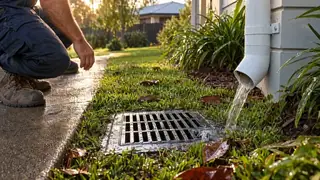
Older streets can have clay drains at the end of their life. Newer estates rely on inter-allotment stormwater easements. Six Mile Creek and Woogaroo Creek take much of the runoff.
Plumbers for Redbank Plains
This site is run from Redbank Plains, around Redbank Plains Town Square and Redbank Plains State High School. Tell us your street area and which part of the house is affected.
Around 58% of Redbank Plains households rent. If you rent, report the fault to your property manager first. They authorise the work, and the plumber deals with them from there.
Sources: ABS 2021 Census QuickStats: Redbank Plains. Distances are straight-line from Redbank Plains. Housing descriptions are general observations, not a survey of any individual property.